Shoes for hallux valgus: which ones to choose.
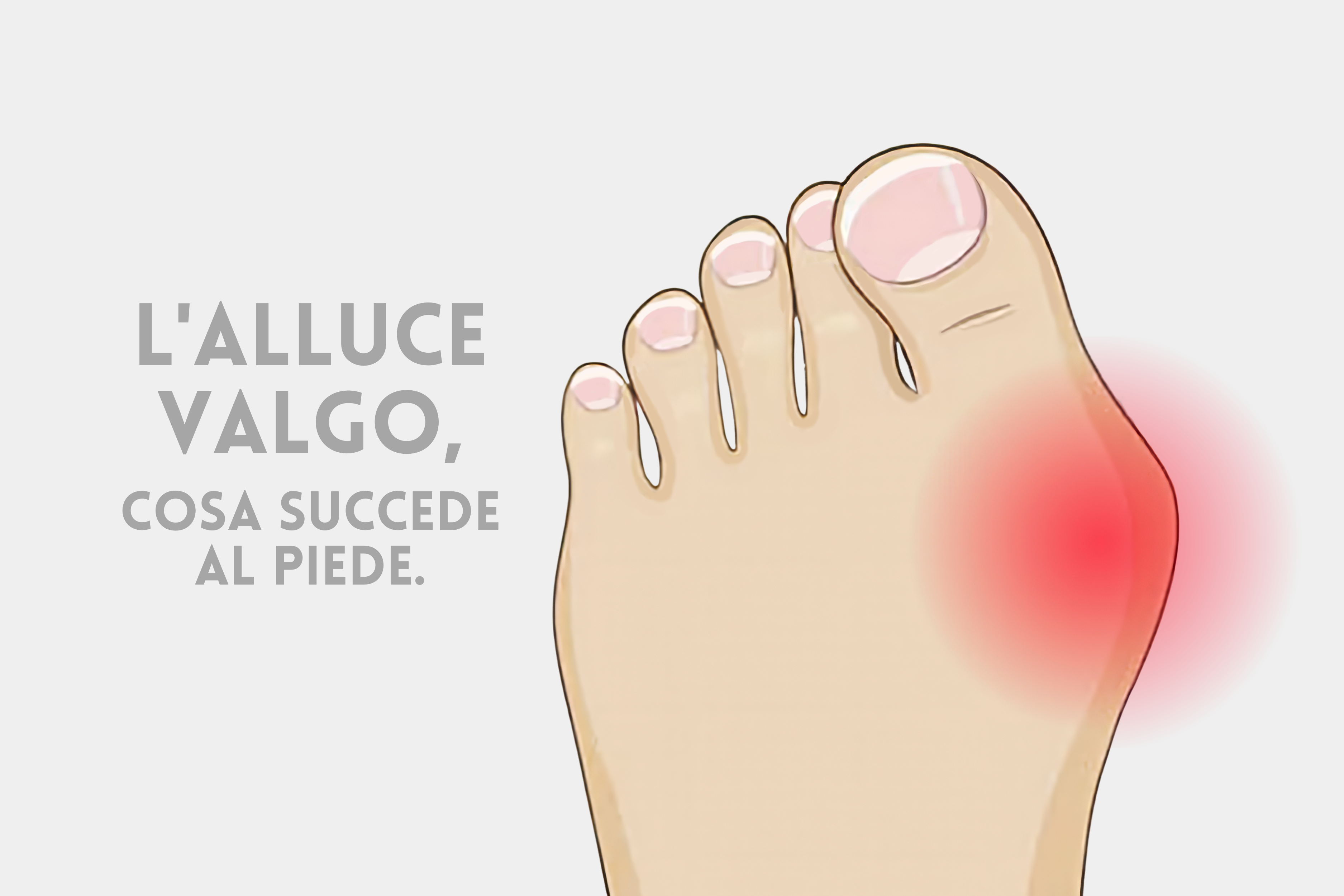
Hallux valgus is a foot condition more common than you might think. It is estimated that about one third of people over 50 suffer from it, and it often affects women. The main symptom is a bony bump at the base of the big toe, accompanied by pain, redness, and difficulty wearing many types of shoes.
The good news? The right shoe can make a difference. We are talking about well-designed shoes that respect the anatomy of the foot and allow you to get through the day without discomfort.
In this article, we look at what to look for in a shoe for hallux valgus, why many sneakers make the problem worse, and which YDA models are best suited for this need.
Hallux valgus: what happens to the foot
Hallux valgus forms when the big toe begins to deviate toward the other toes, causing the metatarsophalangeal joint to protrude. The result is a bony bump that rubs against shoes.
Over time, the following may appear:
- chronic pain, even at rest
- swelling and redness
- blisters or calluses from friction
- secondary deformities such as hammer toes
- foot instability due to overcompensation
 The most frequent causes? Genetics, foot structure (e.g., flat feet), but also - and above all - narrow, rigid shoes or those with a tapered toe.

What a shoe for hallux valgus should have
Here are the 5 fundamental features to look for:
1. Adjustable closure (laces or Velcro)
Allows you to adjust the fit without pressing too hard on the painful area.
2. Soft or elastic upper
Reduces friction on the bump. Better if made of flexible materials, not hard leather or plastic.
3. Wide toe box (ample space for toes)
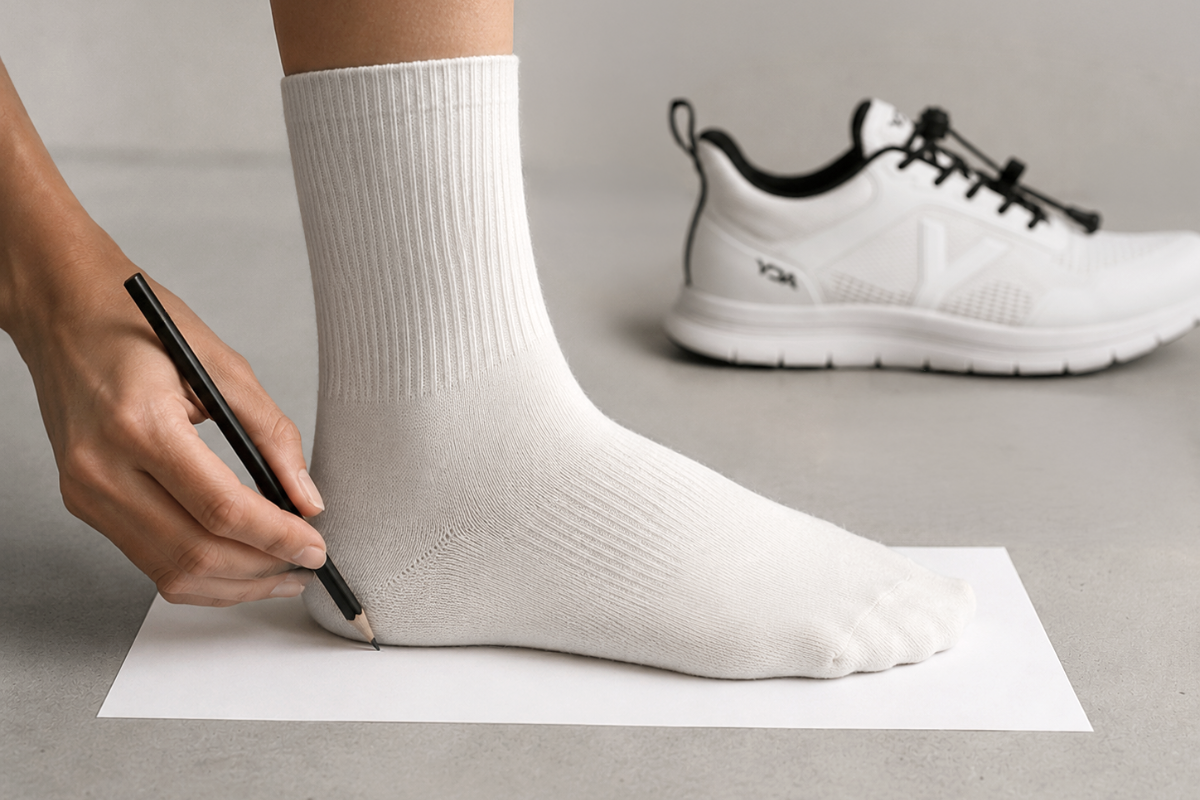
The big toe must not be squeezed sideways. At least 1–1.5 cm of space in front is needed.
4. Cushioned midsole
Absorbs walking impacts on asphalt, floors, and stairs.
5. Good arch support
Prevents body weight from being poorly distributed onto the big toe.
What to avoid: ballerinas, rigid loafers, fashion sneakers with narrow toe, shoes with flat and hard soles.
Why many shoes are not suitable
Inexpensive or overly fashionable walking shoes are often designed for aesthetic shape, not anatomical shape. Result: lateral compression on the big toe, no arch support, materials that don't give, rigid soles that increase impact.
Those with hallux valgus know it well: after 20 minutes on your feet, discomfort begins. After an hour, pain.
The YDA models you can consider
At YDA, we design shoes for daily use: walking, work, errands, free time. Many of our customers with hallux valgus have told us they finally feel at ease.
Here are some models particularly suitable for this need:
- YDAW20 – ideal for those seeking daily comfort thanks to the soft and breathable upper and wide sole, which helps reduce pressure on the big toe.
- YDA CODY – the breathable upper and absence of seams reduce friction in the most sensitive areas of the foot.
- YDAW15 TESR or CB – the lightweight structure and cushioned biomechanical midsole promote a more stable and comfortable walk, reducing impact during the step.
- YDA PRO MAS – designed to offer a wide fit and a broad sole, ideal for those who need more space in the forefoot area without giving up ...
Conclusion
Hallux valgus does not force you into uncomfortable or neglected shoes. It forces you to be more demanding. The right shoes exist: you just need to know what to look for.
At YDA, we have chosen to design comfortable shoes without sacrificing style. Take a look at the YDAC20, CODY, YDAW15 TESR, YDAW15 CB, and MAS models.
Don't wait for the pain to get worse. The right shoe is noticeable when you stop thinking about it.
Important note: this article is for informational purposes. For a specific diagnosis or treatment, consult a podiatrist or doctor.
In summary: Look for shoes with a wide toe box, soft upper, cushioned sole, and arch support. The most suitable YDA models: YDAC20, CODY, YDAW15 TESR, YDAW15 CB and MAS.